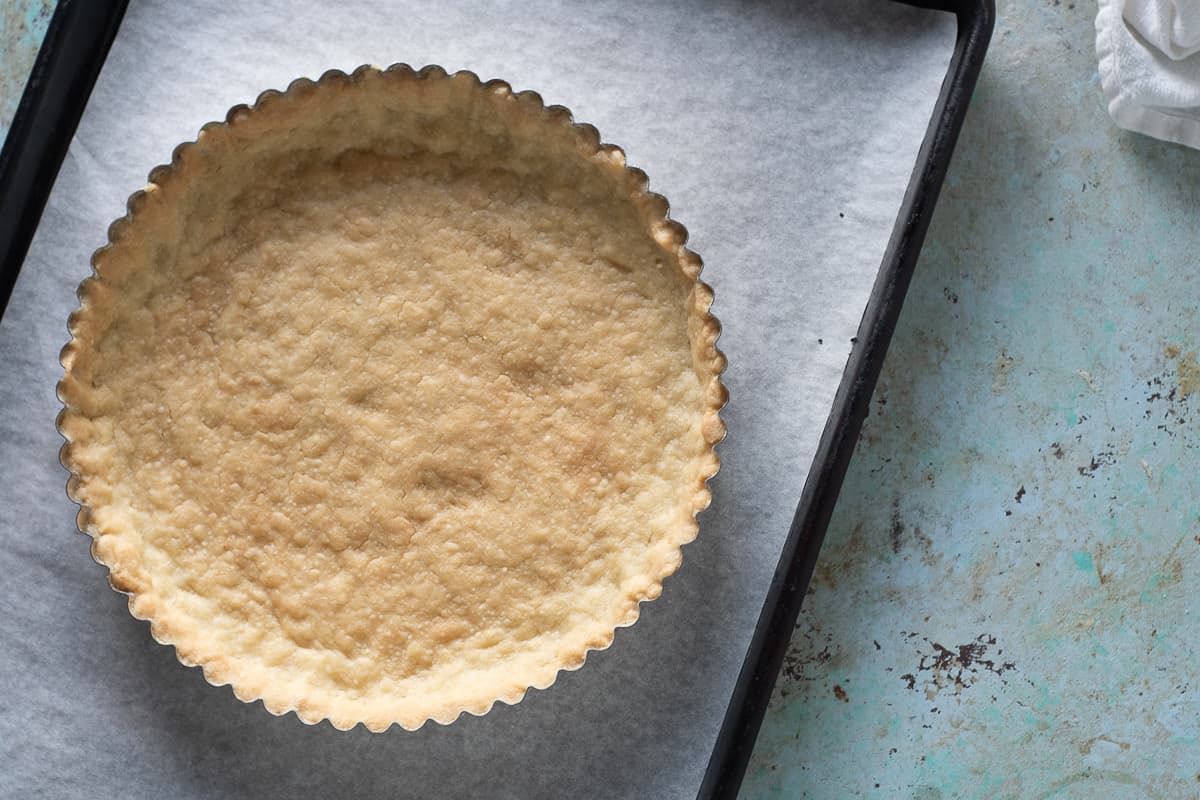
Easy Shortbread Crust: Your Versatile Base for Any Dessert
Forget the intimidation of complex pastry doughs. When it comes to crafting a foundational dessert component that’s both incredibly simple and endlessly adaptable, the
shortbread crust reigns supreme. This humble yet magnificent base is a secret weapon for home bakers and professional caterers alike, promising a cherished flavor, a delightful soft bite, and the structural integrity to support virtually any topping you can imagine. Its versatility and straightforward preparation make it an absolute essential for building your baking confidence.
The Timeless Appeal of Shortbread Crust
Shortbread has graced tables for centuries, a testament to its enduring charm. Unlike many fleeting food trends, this classic Scottish biscuit has maintained its popularity for good reason. Its unique texture – tender, crumbly, yet firm – sets it apart. The simple combination of butter, flour, and sugar creates a pure, rich flavor that is never overly-sweet, allowing it to complement a vast array of fillings without overpowering them.
This understated elegance is precisely what makes shortbread an exceptional crust. It provides a sturdy yet yielding foundation, marrying beautifully with both sweet and tangy fillings. Whether you're envisioning a rustic pie, an elegant tart, or a batch of decadent dessert bars, a well-made shortbread crust offers the perfect counterpoint. It’s a base that practically guarantees success, empowering even novice bakers to create impressive desserts with ease. Imagine the delightful memories you can create, baking year-round with this reliable and delicious crust. For more ideas on how this crust can transform your baking, explore
The Essential Shortbread Crust: Pies, Tarts, & Bars Made Easy.
Mastering the Foundation: The Golden 1:2:3 Ratio
The brilliance of a perfect
shortbread crust lies in its simplicity, often distilled into a magical 1:2:3 ratio by weight: one part sugar, two parts fat (butter), and three parts flour. This golden rule is the cornerstone of consistent, delicious results and a key reason why we encourage embracing a kitchen scale for baking. Once you understand this fundamental principle, you’ll unlock the ability to adapt recipes and even invent your own with newfound confidence.
The Science Behind the Magic
At its heart, shortbread is a "short" dough, meaning it has a high fat content that "shortens" or inhibits the development of long gluten strands in the flour. This is precisely why shortbread is so wonderfully tender and crumbly, rather than chewy or elastic. The butter coats the flour particles, preventing them from absorbing too much water and forming strong gluten networks. Because shortbread is traditionally made without eggs or chemical rising agents, its structure and texture are almost entirely dependent on this precise balance of ingredients. This also makes it a naturally excellent choice for those seeking egg-free recipes, and easily adaptable for gluten-free and vegan alternatives.
Key Ingredients and Their Role:
*
Butter (Fat): This is the star. Use high-quality, unsalted butter for the best flavor and texture. Cold butter, cut into small pieces, is often preferred for "cutting in" methods as it creates pockets of steam, leading to a slightly flakier, more tender result. If using salted butter, simply omit any added salt from the recipe.
*
Flour: All-purpose flour is the standard, providing enough structure without being overly tough. For an even more tender crumb, some bakers opt for cake flour.
*
Sugar: Granulated sugar is common, but finely ground caster sugar can dissolve more easily and contribute to a smoother texture. The sugar not only sweetens but also aids in tenderness and browning.
*
Salt: A crucial, often underestimated ingredient. A small pinch of salt (typically 1/4 teaspoon per cup of flour) enhances the overall flavor profile, balancing the sweetness and bringing out the richness of the butter.
*
Flavor Extract: Vanilla extract is classic, adding a warm, inviting aroma. However, this is where you can truly personalize your crust. Consider almond extract, lemon zest, orange blossom water, or even a hint of mint or rosewater for different dessert pairings. A good guideline is 1/2 teaspoon of extract per cup of flour.
Embracing the 1:2:3 ratio and understanding the role of each ingredient will significantly boost your
Baking Confidence: Master Shortbread Crust with Perfect Ratios and ensure a flawless foundation every time.
Crafting Your Crust: Essential Techniques for Perfection
While the ingredient list is simple, a few techniques will elevate your
shortbread crust from good to outstanding.
Mixing Methods:
There are typically two main approaches to combining your ingredients for shortbread:
1.
Creaming Method: This involves beating softened butter with sugar until light and fluffy, then gradually adding the flour. This method results in a slightly denser, melt-in-your-mouth texture, similar to a traditional shortbread cookie.
2.
Cutting in Method (or Food Processor): Here, cold, cubed butter is cut into the flour and sugar mixture until it resembles coarse crumbs. This method helps maintain small pockets of butter, which melt during baking, creating a tender, slightly flakier crust. A food processor makes this incredibly quick and easy. Simply pulse the dry ingredients with the cold butter until coarse crumbs form, then add a touch of liquid (like ice water) if needed to bring it together.
Chilling the Dough:
Regardless of your mixing method, chilling the dough is a non-negotiable step. Typically, the dough needs at least 30 minutes in the refrigerator, or even longer. Why?
*
Prevents Spreading: Cold butter melts slower in the oven, helping the crust hold its shape and preventing excessive spreading.
*
Develops Flavor: Chilling allows the flavors to meld and the gluten to relax, contributing to a more tender finished product.
*
Easier Handling: Cold dough is much easier to press into a pan or roll out without sticking.
Pressing vs. Rolling:
For most pies, tarts, and bars, you'll likely be pressing the dough directly into your pan. This is incredibly straightforward: simply dump the chilled dough crumbs into the pan and use your fingers, the bottom of a glass, or a flat-bottomed measuring cup to press it evenly across the bottom and up the sides. For roll-out cookies or more intricate shapes, lightly flour your work surface and a rolling pin, then carefully roll the chilled dough to your desired thickness.
Blind Baking for a Flawless Finish:
For many shortbread crust applications, especially those with wet fillings like puddings, custards, or fruit, blind baking (or pre-baking) the crust is essential. This prevents a "soggy bottom" and ensures a beautifully crisp base.
* After pressing the dough into your pan, prick the bottom with a fork.
* Line the crust with parchment paper and fill it with pie weights, dried beans, or rice. This helps prevent the crust from puffing up or shrinking during baking.
* Bake at a moderate temperature (e.g., 375°F/190°C) for 15-20 minutes, or until the edges are lightly golden.
* Remove the weights and parchment, then bake for another 5-10 minutes until the bottom is golden brown. Let it cool completely before adding your filling.
This simple step ensures your beautiful
shortbread crust will maintain its integrity and delightful crunch, no matter the filling.
Endless Possibilities: Your Canvas for Culinary Creativity
Once you’ve mastered the easy shortbread crust, a world of dessert possibilities opens up. Its pure flavor and robust structure make it an ideal foundation for a countless array of sweet treats.
Here are just a few ideas to get your creative juices flowing:
*
Pies: A rustic shortbread crust perfectly complements classic fruit pies like peach, apple, or berry. Its slight sweetness and tender crumble are a dream with warm, spiced fruit fillings.
*
Tarts: Elevate your tarts with a shortbread base. Think fresh fruit tarts with pastry cream, rich chocolate ganache tarts, or vibrant lemon curd tarts. The firmness of the crust provides an elegant presentation.
*
Dessert Bars: This is where shortbread truly shines. It’s the quintessential base for lemon bars, millionaire's shortbread (layers of caramel and chocolate), pecan bars, or even chocolate chip cookie bars.
*
Cheesecake Base: Move over, graham crackers! A shortbread crust offers a richer, buttery alternative for your favorite cheesecake recipe.
*
Layered Desserts: Use it as a base for parfaits, trifles, or even as a simple cookie layer in multi-textured creations.
*
Cookie Base: Roll it out and cut into individual cookies, then drizzle with icing, dip in chocolate, or sandwich with jam for a delightful treat.
The beauty of this
versatile shortbread crust is its ability to adapt. Whether you're making a quick weeknight dessert or an elaborate showstopper for guests, it provides a consistent, delicious starting point. And remember, for those with dietary considerations, this inherently egg-free and leavening-free recipe can be easily adapted using gluten-free flour blends and plant-based butters to create equally delightful results.
In essence, the
easy shortbread crust is more than just a recipe; it's a gateway to baking confidence and endless culinary exploration. Its simple ingredients, forgiving nature, and incredible versatility make it a dessert hero. So, grab your butter, flour, and sugar, and prepare to embark on a delicious journey that will transform your desserts and delight everyone who takes a bite. Happy baking!