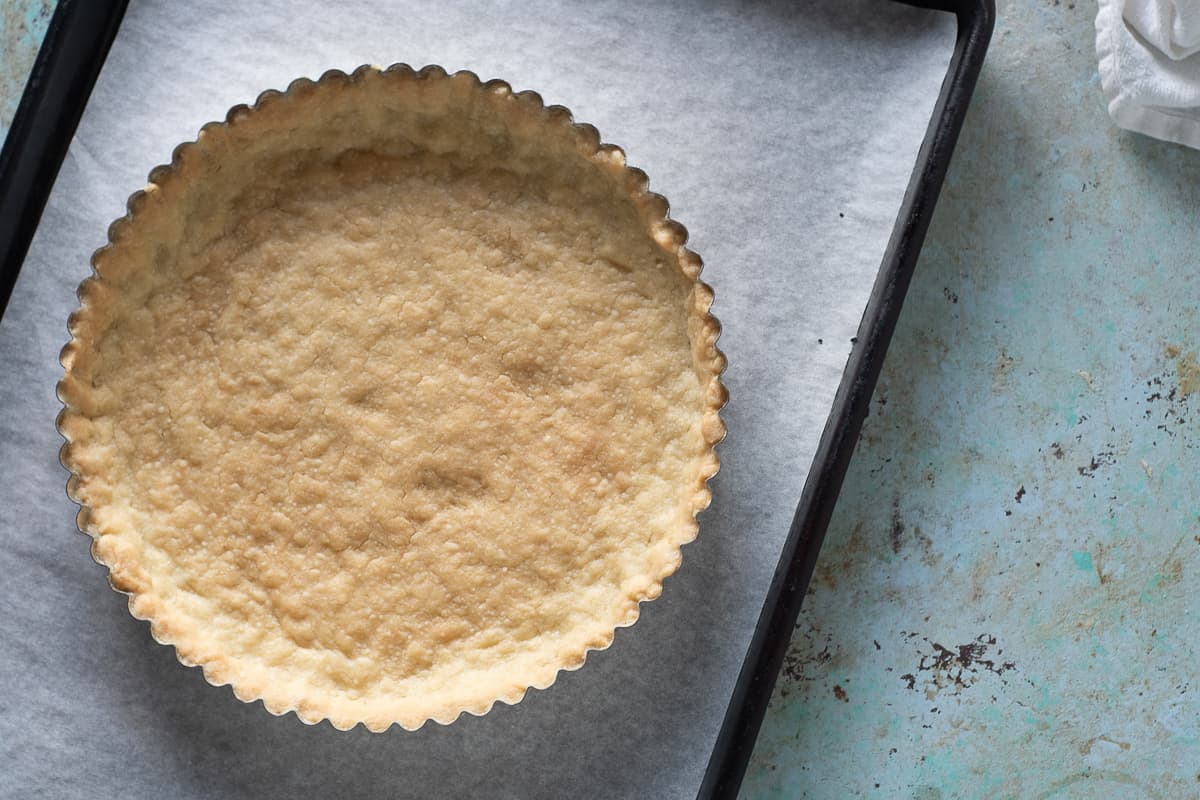
The Essential Shortbread Crust: Your Foundation for Flawless Desserts
For anyone who loves to bake, whether a seasoned professional catering chef or an enthusiastic home baker creating sweet memories in their kitchen, mastering the **shortbread crust** is an absolute game-changer. It's more than just a simple base; it's a testament to timeless flavor, incredible versatility, and a secret weapon for building confidence in the kitchen. With its perfect harmony of butter, flour, and sugar, this crust delivers a cherished flavor profile, a melt-in-your-mouth tenderness, and a remarkable structural integrity strong enough to cradle almost any filling you can dream up. Forget overly-sweet or complicated; shortbread never gets old, and it consistently delights.
The Timeless Appeal and Unmatched Versatility of Shortbread Crust
Tracing its origins back centuries, shortbread has graced tables across generations, evolving from a traditional Scottish biscuit into the universally adored foundation we know today. Its enduring popularity isn't just a quirk of history; it’s a testament to its inherent deliciousness and adaptability. The beauty of a well-made **shortbread crust** lies in its unpretentious elegance – a rich, buttery flavor that complements rather than competes with your chosen dessert. It's the ultimate blank canvas, allowing your culinary creativity to truly shine.
From elegant fruit tarts bursting with seasonal berries to comforting, rustic pies and decadent dessert bars, the possibilities are virtually endless. This remarkable versatility means you can create cherished memories all year long, adapting the same reliable base to suit any occasion, season, or craving. And in a world of complex baking endeavors, the shortbread crust stands out as a beacon of reliability, proving that sometimes, the simplest things are indeed the best.
Unlocking the Secret: The Perfect Shortbread Crust Ratios
At the heart of every magnificent **shortbread crust** lies a fundamental, almost magical, ratio that ensures consistent perfection every single time. This golden rule is famously known as the 1-2-3 principle:
one part sugar, two parts fat (butter), and three parts flour, by weight. Embracing a kitchen scale for this recipe is perhaps the most significant step you can take towards baking mastery. While measuring cups can be imprecise, weighing your ingredients eliminates guesswork, allowing you to replicate results flawlessly and truly understand the "science" of baking. For those eager to deepen their understanding of this foundational technique and elevate their baking prowess, learning how to master shortbread crust with perfect ratios can transform your approach to dessert making.
Let's break down the role of each essential ingredient:
*
Butter (Fat): This is the soul of shortbread. High-quality butter provides richness, flavor, and that characteristic tender, crumbly texture. Whether you opt for salted or unsalted butter, remember to adjust any added salt accordingly. For every cup of flour (approximately 120-125g), a general guideline is to add about 1/4 teaspoon (1.25g) of fine salt if using unsalted butter. The fat coats the flour particles, inhibiting gluten development, which is crucial for a "short" (tender, crumbly) texture rather than a chewy one.
*
Flour: Traditional all-purpose flour is the go-to, providing the structure. However, the forgiving nature of shortbread means it's also incredibly adaptable for dietary needs. Gluten-free flour blends can be used successfully, yielding an end result that is equally delightful for those with sensitivities. Crucially, shortbread is always made without eggs and rising agents, which contributes to its dense, buttery texture rather than a light, airy crumb.
*
Sugar: Typically granulated sugar, it provides sweetness and contributes to the crust's golden color during baking. Shortbread is known for not being overly-sweet, making it an ideal partner for a wide array of fillings without overpowering them.
Beyond these core components, a touch of flavor extract, like vanilla, can elevate the experience. A good rule of thumb is 1/2 teaspoon of extract (such as vanilla, almond, or even citrus) for every cup of flour. This allows for subtle enhancements without overshadowing the star of the show: the butter.
Crafting Your Crust: Simple Steps for Shortbread Success
Making a **shortbread crust** is surprisingly straightforward, often described as easy as 1, 2, 3. Even if you're not planning to delve into the intricate science of baking, a few simple techniques will guarantee a perfect crust every time. For an easy shortbread crust that becomes your versatile base for any dessert, follow these steps:
1.
Combine Ingredients: Start by creaming together the softened butter and sugar until light and fluffy. This incorporates air and ensures even distribution. Then, gradually add the flour (and salt, if using unsalted butter) until just combined. Overmixing develops gluten, which can lead to a tough crust, so stop as soon as a cohesive dough forms.
2.
Form the Dough: The beauty of shortbread dough is that it’s quite forgiving. You can press it directly into your pie plate, tart pan, or baking dish, using your fingers or the bottom of a glass to achieve an even layer. For a traditional pie, you might choose to lightly flour a surface and roll out the dough, though pressing is often simpler for tarts and bars.
3.
Chill and Bake: Chilling the dough before baking is a critical step. It allows the butter to firm up, which helps the crust maintain its shape and prevents excessive shrinking during baking. Chill for at least 30 minutes, or even longer. For many recipes, especially those with wet fillings, blind-baking (pre-baking) the crust first is recommended to ensure a crisp bottom. Bake until golden brown and fragrant, typically around 15-20 minutes for a blind-baked crust, or longer with a filling depending on the recipe.
Don't be afraid to experiment with the precise baking time to achieve your desired level of golden perfection. A slightly deeper golden color will often yield a richer, nuttier flavor.
Beyond the Basic: Exciting Variations and Dessert Pairings
While the classic **shortbread crust** is utterly delicious on its own, its simplicity makes it an ideal canvas for creativity. You can easily introduce new dimensions of flavor to match your dessert aspirations:
*
Citrus Zest: Add finely grated lemon, orange, or lime zest to the dough for a bright, aromatic lift, perfect for lemon bars or key lime pie.
*
Spices: Warm spices like cinnamon, cardamom, nutmeg, or even a touch of ginger can transform your crust, making it ideal for apple pies, pumpkin tarts, or chai-spiced bars.
*
Nut Flours: Substitute a small portion of the all-purpose flour with finely ground almonds, pecans, or pistachios for added depth of flavor and a slightly different texture.
*
Extracts: Beyond vanilla, try almond, coconut, peppermint, or even a floral extract like rosewater for unique twists.
Now that you have learned how to make this easy shortbread crust, what are your plans for topping it? The world of desserts is your oyster!
*
Pies and Tarts: Imagine a classic peach pie, a vibrant berry tart, or a rich chocolate ganache tart nestled in this buttery base.
*
Bars: From zesty lemon squares and luscious raspberry bars to decadent millionaire's shortbread (layers of shortbread, caramel, and chocolate), the possibilities are endless.
*
Cheesecakes: A pressed shortbread crust makes an outstanding and easy base for baked or no-bake cheesecakes.
*
Crumbles: Even as a deconstructed crumble topping, roughly broken shortbread dough adds incredible texture and flavor.
*
Puddings: Serve a creamy pudding or mousse in individual shortbread tartlets for an elegant presentation.
The inherent richness of the shortbread allows it to stand up to bold flavors while also providing a delightful contrast to tart fruit fillings or creamy puddings. It truly is a fabulous base for nearly any sweet creation.
Bake with Confidence: Your Shortbread Journey Begins Here
The **shortbread crust** truly is an essential in any baker's repertoire. Its simplicity belies its incredible versatility and deliciousness, making it a reliable foundation for pies, tarts, bars, and so much more. From its perfect ratios that simplify ingredient measurement to its forgiving nature during preparation, this crust builds confidence, encourages creativity, and guarantees a satisfying result every time.
Embrace the timeless appeal of shortbread, experiment with flavors, and watch as this humble yet mighty crust becomes your go-to for creating unforgettable desserts and cherished memories in your kitchen. So, gather your ingredients, weigh them precisely, and get ready to experience the pure joy of baking with the essential shortbread crust!