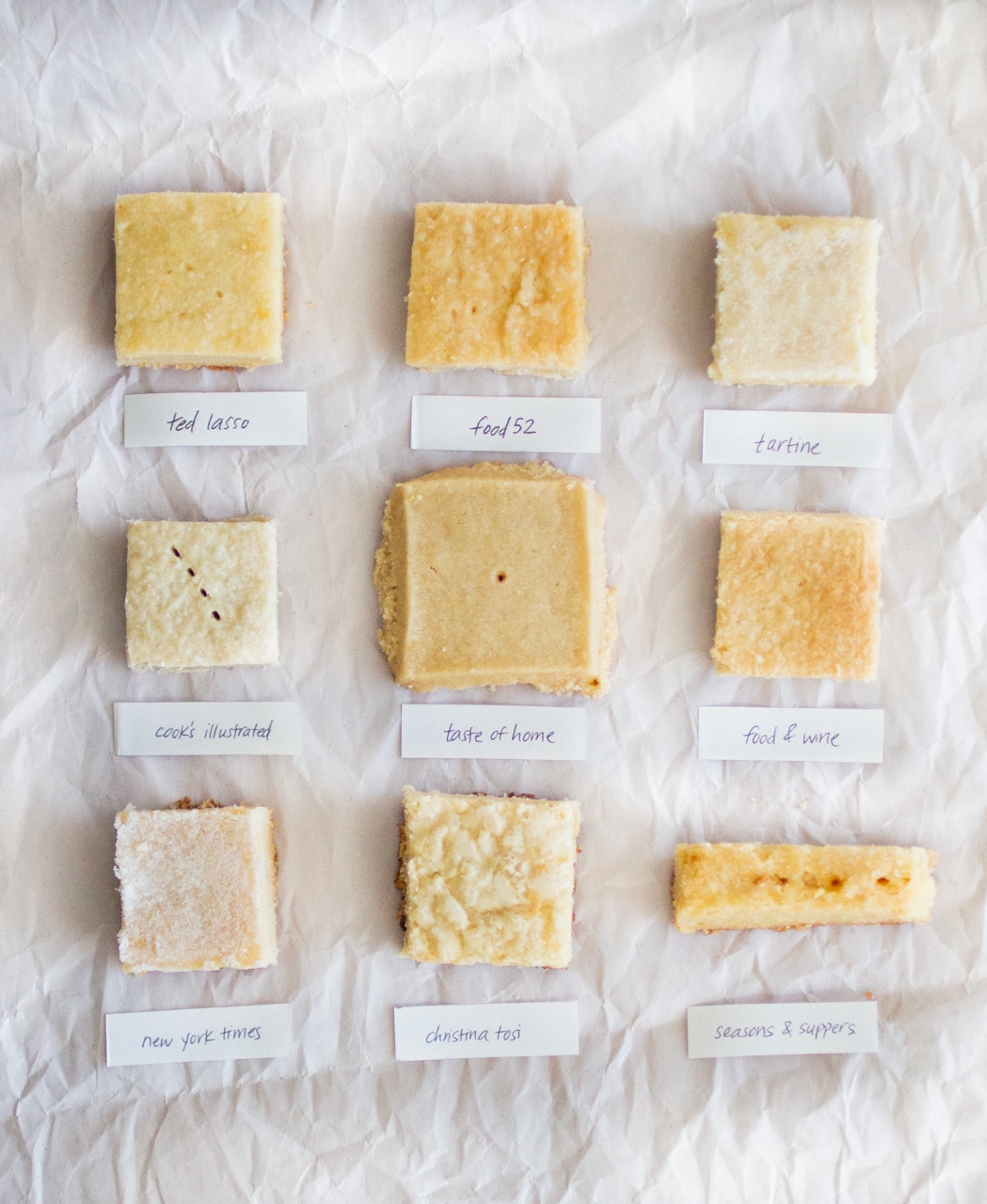
Baking Confidence: Master Shortbread Crust with Perfect Ratios
Few baking feats are as universally cherished or as confidence-inspiring as mastering the perfect
shortbread crust. This simple yet elegant base has stood the test of time, gracing desserts for centuries with its distinctive buttery flavor and tender, melt-in-your-mouth texture. Far from being just a humble foundation, a well-executed shortbread crust is a testament to precision and a canvas for endless culinary creativity. Whether you're a seasoned baker whipping up intricate tarts for catering or a home enthusiast crafting a comforting dessert, understanding the core principles of shortbread will elevate your baking game and ensure a flawless result every single time.
This article will guide you through the essential ratios, clever techniques, and versatile applications of shortbread, demystifying the process and empowering you to create a crust that’s both structurally sound and utterly delicious. Forget soggy bottoms or tough textures; we’re about to unlock the secrets to a perfect, tender, and incredibly flavorful shortbread crust that promises to become a permanent fixture in your baking repertoire.
The Golden Ratio: Unlocking Perfect Shortbread Crust
The magic of shortbread lies in its deceptively simple composition: just three core ingredients. But it's not merely *what* you use, but *how much* of each that transforms them into a cherished, sturdy, yet delicate crust. The widely acclaimed "1-2-3" ratio serves as your fundamental blueprint, guiding you to perfection.
Understanding the 1:2:3 By-Weight Principle
This golden rule dictates: **1 part sugar, 2 parts fat (butter), and 3 parts flour by weight.** Embracing a kitchen scale for baking, especially for shortbread, is a game-changer. Unlike volume measurements (cups), weight ensures consistent, accurate results, eliminating variations caused by how loosely or tightly ingredients are packed.
* **Flour (3 parts):** Typically, all-purpose flour provides the necessary structure. Its gluten content, when properly managed, gives the crust its desired strength without making it tough. For those with dietary restrictions, good quality gluten-free all-purpose blends can also yield fantastic results, often requiring minimal adjustments to liquid content or baking time.
* **Butter (2 parts):** This is where the rich flavor and melt-in-your-mouth tenderness come from. Butter's high-fat content shortens gluten strands, contributing to that desirable soft bite. Using unsalted butter is generally recommended as it gives you complete control over the salt content, allowing for fine-tuning. If using salted butter, be sure to adjust any added salt accordingly. Quality butter with at least 80% butterfat will give the best flavor and texture.
* **Sugar (1 part):** Granulated sugar provides sweetness, aids in browning, and contributes to the crust's tenderness by interfering with gluten development. Using a finer sugar, like superfine (caster) sugar, can result in an even more delicate texture, though standard granulated sugar works beautifully. Shortbread isn't designed to be overly sweet, allowing the buttery notes to truly shine.
**Practical Application:** If you start with 100 grams of sugar, you'd use 200 grams of butter and 300 grams of flour. This scalability makes it incredibly easy to adjust the recipe for any size pan or quantity you need. While shortbread is quite forgiving, sticking to these ratios by weight ensures the optimal balance of flavor, strength, and tenderness.
Elevating Your Shortbread: Flavor and Texture Nuances
While the 1-2-3 ratio lays the foundation, a few simple additions and considerations can take your shortbread crust from excellent to extraordinary, allowing for customization and a deeper flavor profile.
A Pinch of Perfection: The Role of Salt
Salt is often overlooked but plays a crucial role in baking. For shortbread, it isn't just about making things salty; it's about balance and flavor enhancement. A small amount of salt cuts through the richness of the butter and sweet notes of the sugar, amplifying the overall taste of your crust. As a general guideline, aim for about 1/4 teaspoon of fine salt per cup of flour. If you're using salted butter, you'll want to reduce or even omit the additional salt to prevent your crust from becoming too savory.
Infusing Aroma: Extracts and Beyond
Vanilla extract is the classic choice, adding a warm, comforting aroma that complements the buttery flavor beautifully. A typical recommendation is 1/2 teaspoon of vanilla extract per cup of flour. However, this is where your creativity can truly shine!
Consider experimenting with:
* **Citrus zest:** Lemon, orange, or lime zest adds a vibrant, fresh note.
* **Almond extract:** For a sophisticated, nutty undertone.
* **Other extracts:** Peppermint for holiday treats, coconut for tropical desserts, or even a touch of rosewater for an elegant twist.
* **Spices:** A pinch of cinnamon, cardamom, or even a subtle hint of nutmeg can add depth and warmth, especially for fall and winter desserts.
Remember, a little goes a long way with strong extracts. Start small and taste your dough (before baking, of course!) if you're experimenting.
Catering to Dietary Needs: Gluten-Free and Vegan Shortbread
The beauty of shortbread is its inherent simplicity, which makes it remarkably adaptable. Since it contains no eggs or rising agents, it's a natural candidate for both gluten-free and vegan variations.
* **Gluten-Free:** Simply swap traditional all-purpose flour for a good quality 1:1 gluten-free baking blend that contains xanthan gum. You might find the dough a little more delicate or prone to crumbling, but the flavor will be just as delightful.
* **Vegan:** Replace dairy butter with a high-quality plant-based butter alternative. Look for brands that are specifically designed for baking and have a similar fat content and texture to regular butter. The ratios remain the same, ensuring a delicious and versatile vegan shortbread crust.
From Dough to Delight: Mastering Shortbread Technique
The right ingredients and ratios are paramount, but technique transforms them into that perfectly textured
shortbread crust. These steps ensure your crust is tender, uniform, and ready to hold any filling.
Mixing Methods for Optimal Texture
The way you combine your ingredients significantly impacts the final texture of your shortbread. The key is to avoid overworking the dough, which can develop gluten and lead to a tough crust.
* **Creaming Method:** This traditional approach involves creaming the softened butter and sugar together until light and fluffy before gradually adding the flour. This incorporates air, resulting in a slightly lighter, melt-in-your-mouth texture. It's excellent for shortbread cookies or crusts where a delicate crumb is desired.
* **Food Processor Method:** The quickest and easiest method, especially for crusts. Pulse the flour, sugar, and salt together first, then add cold, cubed butter and pulse until the mixture resembles coarse crumbs. Add any extracts and continue pulsing until the dough just begins to come together. Be careful not to overmix, as the food processor can quickly overdevelop gluten.
* **Pastry Blender/Fingertips:** For a more rustic, crumbly shortbread, you can cut cold butter into the flour and sugar mixture using a pastry blender or your fingertips, much like making pie crust. This method keeps the butter in small pieces, contributing to a wonderfully crumbly texture.
Regardless of the method, stop mixing as soon as the dough comes together. It should be cohesive but not elastic.
The Chill Factor: Why It's Essential
Chilling your shortbread dough is a non-negotiable step for several crucial reasons:
* **Firms the Butter:** Cold butter prevents the crust from spreading excessively during baking, maintaining its shape.
* **Hydrates Flour:** It allows the flour to fully absorb moisture, resulting in a more uniform and tender texture.
* **Melds Flavors:** The flavors have time to deepen and develop.
* **Easier Handling:** Chilled dough is much less sticky and easier to roll out or press into a pan.
Aim for at least 30 minutes to an hour of chilling, or even longer for better results. You can even make the dough a day or two in advance.
Pressing vs. Rolling
Once chilled, you have a couple of options for forming your crust:
* **Pressing into the Pan:** This is often the easiest and most forgiving method for crusts. Simply press the chilled dough evenly into your pie plate, tart pan, or baking dish using your fingers or the bottom of a flat-bottomed measuring cup. This works wonderfully for rustic crusts and bars.
* **Rolling Out:** For perfectly uniform edges, cut-out cookies, or specific tart shapes, rolling is ideal. Roll the chilled dough between two sheets of parchment paper or lightly floured wax paper to your desired thickness. This prevents sticking and makes transferring the dough much simpler.
The Bake and Beyond
Bake your shortbread crust in a preheated oven until it's a pale golden color around the edges. Shortbread isn't meant to be deeply browned. Overbaking can make it tough or dry. For pies and tarts with wet fillings, a preliminary blind bake (baking the crust partially or fully before adding the filling) is often recommended to prevent a soggy bottom. Once baked, allow the crust to cool completely in the pan on a wire rack before attempting to remove or fill it. This allows the crust to firm up and prevents breakage.
Endless Possibilities: The Versatility of Shortbread Crust
One of the most appealing aspects of a perfectly made
shortbread crust is its incredible versatility. It provides a robust yet delicate foundation for an astonishing array of desserts, offering a cherished flavor profile that beautifully complements both sweet and tangy fillings. Whether you aim for classic comfort or modern elegance, shortbread delivers.
Imagine a rustic peach pie, its juicy, sweet fruit nestled atop a sturdy, buttery shortbread base – a timeless combination that truly highlights the crust's ability to hold up to moisture while offering a delightful contrast in texture. But the applications extend far beyond traditional pies.
Here are just a few ways your newly mastered shortbread crust can shine:
* **Classic Fruit Pies:** From apple to berry to the aforementioned peach pie, shortbread offers a crisp, sweet counterpoint to warm, bubbling fruit fillings.
* **Elegant Tarts:** Whether filled with rich chocolate ganache, zesty lemon curd, or seasonal fruits and pastry cream, a shortbread crust elevates any tart into a showstopper.
* **Delectable Bars:** Think beyond the ordinary! Your shortbread can be the base for tangy lemon squares, indulgent millionaire's shortbread (layers of caramel and chocolate), or chewy pecan bars.
* **Creamy Cheesecakes:** A crushed shortbread crust provides a wonderful textural contrast to a smooth, creamy cheesecake filling, often enhancing the overall richness.
* **Standalone Cookies:** Of course, shortbread is magnificent on its own as a simple cookie, perfect with tea or coffee, perhaps dipped in chocolate or adorned with a sprinkle of sea salt.
* **Puddings and Parfaits:** Layer crumbled shortbread crust into parfaits or use it as a base for individual pudding cups for an added textural element and burst of flavor.
The inherent strength of a well-proportioned shortbread means it can withstand the weight and moisture of various toppings and fillings, while its mild sweetness ensures it never overpowers the main event. It's a reliable, flavorful, and incredibly adaptable base that empowers you to create delicious memories all year long. For a deeper dive into its adaptable nature and step-by-step guides for different applications, check out our comprehensive article
The Essential Shortbread Crust: Pies, Tarts, & Bars Made Easy. If you're looking for more inspiration and practical advice on integrating this crust into various desserts, explore
Easy Shortbread Crust: Your Versatile Base for Any Dessert.
Your Journey to Baking Confidence
Mastering the
shortbread crust is more than just learning a recipe; it's about understanding fundamental baking principles that will serve you well across countless culinary endeavors. By embracing the simple yet powerful 1-2-3 ratio by weight, paying attention to the quality of your ingredients, and finessing your technique, you unlock the ability to create consistently perfect crusts. From its tender bite and buttery flavor to its remarkable strength and versatility, shortbread is a truly rewarding bake.
We hope this guide has instilled in you the confidence to tackle your next baking project with enthusiasm. No longer just a side component, your shortbread crust will be a celebrated element, admired for its flavor, texture, and the skill with which you crafted it. So, grab your scale, embrace the butter, and get ready to create incredible desserts that begin with the humble, yet glorious, shortbread crust. Happy baking!